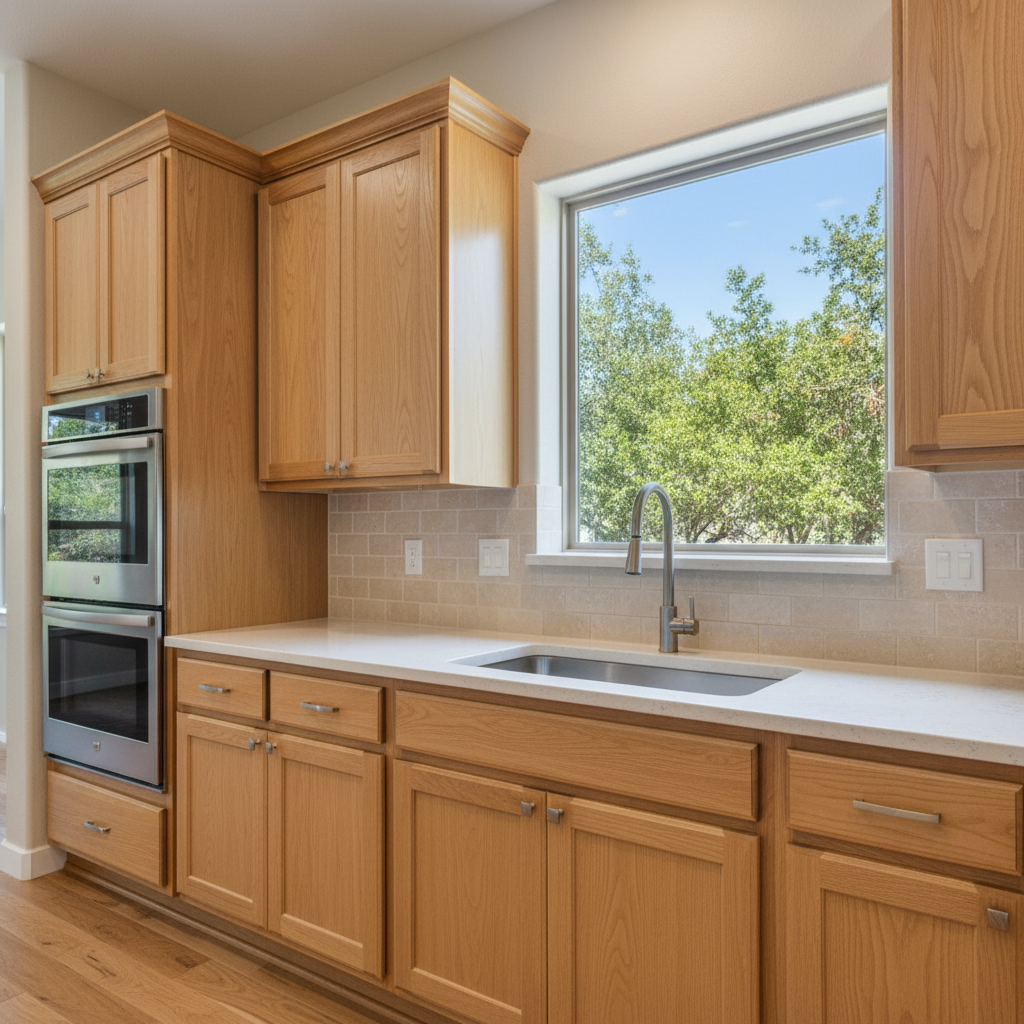
So, you've just had new cabinets installed, or maybe you've had them for a while and want to make sure they last. Good call. Cabinets are a big investment in your home, and with a little care, they'll look good and function well for decades. I've seen plenty of cabinets in Jester, from the older homes in the Willow Creek area to the newer builds near the lake, and the maintenance advice is pretty universal, with a few local twists.
Extending the Life of Your Cabinets: It's Easier Than You Think
First off, think about what your cabinets go through. They're constantly getting opened, closed, bumped, and splashed. The biggest thing you can do to extend their life is to be gentle. Don't slam doors and drawers. It sounds simple, but those repeated impacts wear down hinges, drawer slides, and even the cabinet boxes themselves. If you've got soft-close hardware, that's a huge help, but even then, don't force them.
Another big one, especially here in Jester where we get those hot, humid summers and then dry spells, is managing moisture. Wood expands and contracts with changes in humidity. Keep your kitchen well-ventilated, especially when you're cooking up a storm. Use your range hood. If you've got a leaky faucet or a spill, clean it up immediately. Don't let water sit on cabinet surfaces, especially around the sink or dishwasher. That's a surefire way to warp wood, peel finishes, and invite mold.
For cleaning, less is often more. Harsh chemicals can strip finishes or damage the wood. A damp cloth with a mild soap is usually all you need for everyday spills. Dry it immediately with a clean, soft cloth. For tougher grease, a little diluted vinegar or a specialized wood cleaner can work, but always test it in an inconspicuous spot first. I've seen finishes ruined by folks using the wrong stuff.
Regular Maintenance: Your Cabinet Checklist
You don't need to do a deep dive every week, but a little regular attention goes a long way.
- Wipe 'em Down: Once a week, give the cabinet fronts, especially around handles and knobs, a quick wipe with a damp cloth. Grease and grime build up fast, and the longer it sits, the harder it is to remove without damaging the finish.
- Check Hardware: Every few months, open all your doors and drawers. Are the hinges tight? Do the drawer slides feel smooth? Sometimes screws can loosen up with constant use. A quick turn with a screwdriver can prevent a door from sagging or a drawer from sticking. Don't overtighten, just snug.
- Lubricate Moving Parts: For drawer slides that feel a bit stiff, a little silicone spray (not WD-40, which can attract dust) can work wonders. Apply sparingly to the moving parts of the slides.
- Inspect for Damage: Look for any small nicks or scratches. Sometimes, a touch-up pen or a furniture marker can hide these before they become bigger issues or allow moisture in.
Remember that Jester heat and humidity? It can really put stress on cabinet joints. Keeping an eye on those seams and corners is crucial. If you see any gapping, it might be a sign of moisture or just natural wood movement. Catch it early.
Warning Signs: When Something's Not Right
Your cabinets usually give you clues when there's a problem. Don't ignore these:
- Sticking Doors or Drawers: If a door starts to rub or a drawer is hard to open or close, it could be a loose hinge, a warped door, or something caught in the slide. Address it before it causes more damage.
- Discoloration or Swelling: This is a big red flag for water damage. If you see dark spots, bubbling, or wood that looks swollen, especially near the sink, dishwasher, or under a pipe, you've got a leak somewhere. Find it and fix it fast.
- Loose Hinges or Handles: If you're constantly tightening screws, or if a handle feels wobbly, it might be time for new hardware. Sometimes the wood around the screw holes gets stripped.
- Pest Activity: Tiny holes, wood dust (frass), or actual critters are a sign of wood-boring insects. This isn't common, but if you see it, you need to act immediately.
When to Call a Professional
Look, you can handle a lot of this stuff yourself. But there are times when it's just better to call in someone who knows what they're doing. If you're seeing significant water damage, like extensive swelling or mold, you'll want a pro to assess the damage and make sure the underlying issue is resolved. If hinges are completely broken, drawer slides are bent beyond repair, or if you're dealing with structural issues like a cabinet box pulling away from the wall, that's definitely a job for experienced hands.
Sometimes, folks try to DIY a major repair and end up doing more harm than good, costing them more in the long run. If you're not comfortable, or if the problem seems bigger than a quick fix, don't hesitate to reach out. At Charis Remodeling, we've seen it all, and we're happy to give you an honest assessment. Taking care of your cabinets means they'll serve your family well for years to come, and that's always a smart move.