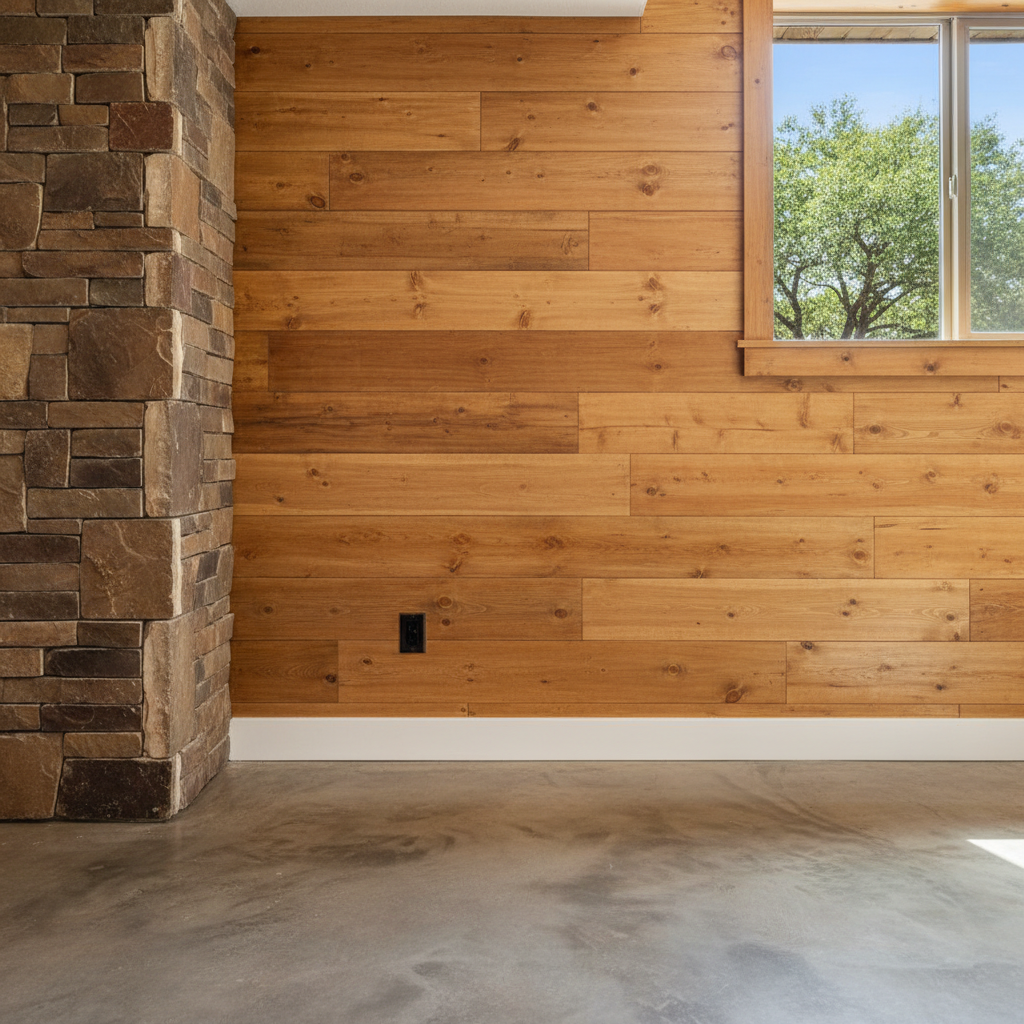
Thinking About Finishing Your Jester Basement?
So, you're looking at that unfinished space downstairs, huh? Maybe it's just concrete and cobwebs right now, but you're probably dreaming of an extra bedroom, a home office, or maybe even a killer entertainment zone. Finishing your basement can really boost your Jester home's value and give you a ton more usable square footage. But let's be real, it's not a small job. You've got to understand what you're getting into, and more importantly, figure out what you can realistically do yourself versus when you absolutely need to bring in a professional.
Before You Start: Planning & Permits Are Key
First things first: don't even think about buying lumber until you've got a solid plan. What will you use the space for? Draw it out. Measure everything. Think about electrical outlets, lighting, plumbing (especially if you're adding a bathroom or wet bar), and HVAC. This isn't just about making it look pretty; it's about making it functional and safe.
And speaking of safe, you absolutely, positively need to check with the Jester city planning department about permits. I've seen folks try to skip this step, and trust me, it always comes back to bite them. Not only could you face fines, but when you go to sell your house, unpermitted work can become a huge headache. Permits make sure your project meets local building codes, which are there to protect you and your family. Things like proper egress windows (especially if you're adding a bedroom) and fire safety? Those are non-negotiable.
Another thing to consider before you even think about framing is moisture. Jester's soil, especially in some of those older neighborhoods near the creek, can hold a lot of water. That can easily lead to damp basements. You need to make sure your basement is dry, dry, dry before you put up any drywall. Check for cracks in the foundation, signs of efflorescence (that white powdery stuff on concrete), or any musty smells. If you've got water issues, address them first. That might mean exterior drainage work, sealing cracks, or installing an interior drain tile system. Don't build over a problem; fix it.
What You Can DIY (If You're Handy)
Alright, let's talk about what you might be able to tackle yourself if you're comfortable with tools and have some patience.
- Demolition: If there's anything down there that needs to go, like old, flimsy partition walls or nasty flooring, you can probably handle the demo. Just be careful not to hit any electrical lines or plumbing.
- Framing Non-Load Bearing Walls: If you're just putting up simple partition walls that aren't holding up the house, and you're good with a level, tape measure, and saw, you can likely frame these out. It's precise work, but doable for a determined homeowner.
- Insulation: Once the framing's done and inspections are passed, installing batt insulation between studs isn't too tough. Just make sure you wear protective gear.
- Drywall Hanging (Maybe): Hanging drywall is physically demanding and takes some practice to get right, especially on ceilings. If you're doing small sections, you might manage. But finishing (taping, mudding, sanding) is where most DIYers really struggle to get a smooth, professional-looking finish.
- Painting: This is probably the most common DIY task. Prep work is key, but painting is something most homeowners can do well.
- Flooring: Depending on the type, installing laminate, luxury vinyl plank (LVP), or even carpet tiles can be a good DIY project. Just remember to use a good subfloor system designed for basements to prevent moisture issues and provide a warmer surface.
When to Call in the Pros (Seriously, Don't Skimp Here)
There are certain parts of a basement finish that you should absolutely leave to licensed professionals. Trying to save a buck here can cost you a fortune in repairs, or worse, put your family at risk.
- Electrical Work: Unless you are a licensed electrician, do not touch your home's wiring. Period. This is for safety, fire prevention, and code compliance. An improperly wired circuit can be deadly.
- Plumbing: Adding a bathroom, wet bar, or even just moving a utility sink requires proper plumbing. You need to deal with water supply, drainage, and venting. Mess this up, and you're looking at leaks, mold, and major headaches.
- HVAC: If you're extending your heating and cooling into the new basement space, you'll want an HVAC professional to ensure proper airflow and sizing. You don't want a cold, stuffy basement or an overloaded system.
- Structural Changes: If your plans involve moving or altering any load-bearing walls, or if you have any concerns about your foundation, you need a structural engineer and a contractor experienced in this kind of work. This is not a DIY project.
- Complex Drywall Finishing: While you might hang some sheets, getting a perfectly smooth, level drywall finish, especially on ceilings or large walls, is an art form. A professional drywaller will save you hours of frustration and give you a much better result.
- Permit Navigation & Inspections: A good general contractor, like us at Charis Remodeling, can help you navigate the permit process and ensure everything is up to code for inspections. We know what the inspectors are looking for.
During the Project: Stay Organized
Whether you're doing some of it yourself or hiring everything out, keep things organized. Have a clear schedule, even if it's just for your own tasks. Keep your workspace tidy – it's safer and more efficient. And if you're working with contractors, make sure communication is clear and regular. Don't be afraid to ask questions.
After the Finish: Enjoy Your New Space!
Once the dust settles and the paint dries, you'll have a whole new part of your home to enjoy. Whether it's a cozy family room, a productive home office, or a guest suite, that finished basement will be a real boost for your Jester home. Just remember, planning, knowing your limits, and bringing in the right pros when needed are the keys to a successful project.